
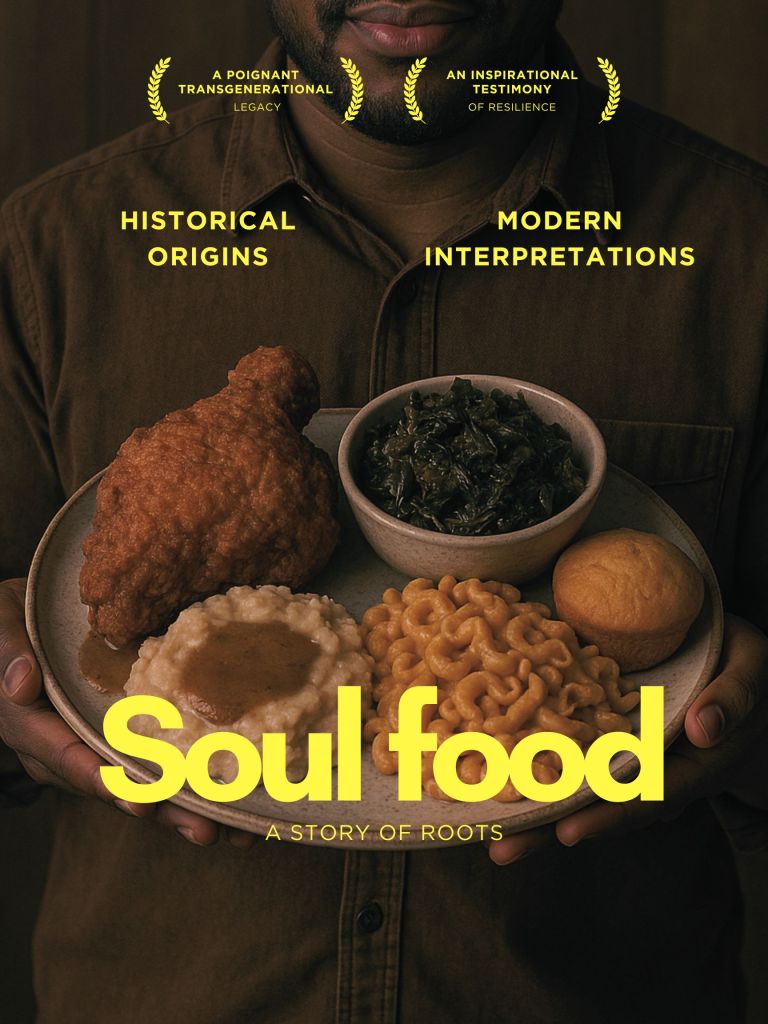
Golden fried chicken, fragrant cornbread, simmered okra.
For most of us, these dishes evoke warmth, flavor, and comfort.
But beneath the irresistible textures of Soul Food lies a much deeper story — one of migration, memory, resistance, and transmission.
Far from being just a culinary tradition, Soul Food is a living archive. It is the taste of survival. A voice passed from one generation to the next. A table where joy and grief have long shared space.
Let’s take a deeper look — beyond the plate.
From West African Shores to Southern Fields
On Southern plantations, enslaved Africans shaped what we now call Southern cooking — often without credit or compensation. Those with specialized knowledge in rice cultivation, for example, were considered “more valuable” by slave traders, and their labor fed entire regions.
In the kitchens, enslaved cooks were responsible for meals not only for their communities, but also for the plantation owners themselves. Their ingenuity turned meager ingredients into extraordinary dishes — braised greens, slow-cooked meats, and breads made from cornmeal and molasses.
Their stories have often been erased, but we now know names like:
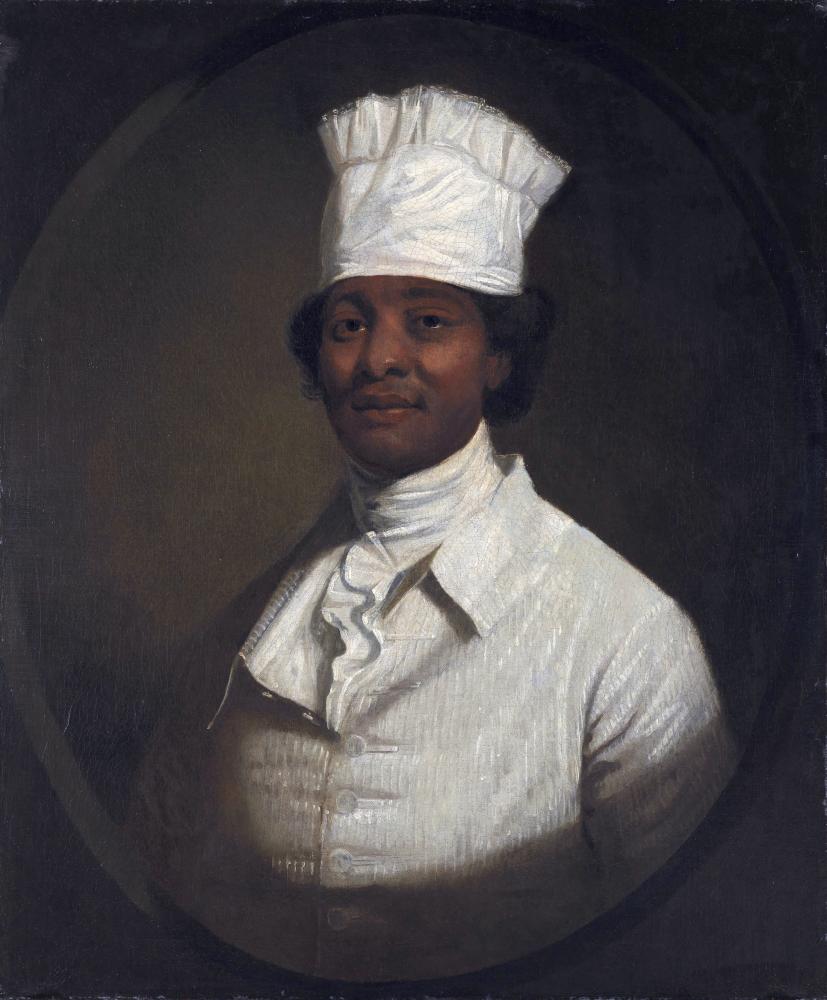
- Hercules, George Washington’s chef,
- and James Hemings, Thomas Jefferson’s French-trained cook who brought mac & cheese, meringue, and crème brûlée into the American canon.
Behind each classic American dish lies the work of Black culinary artisans.This food wasn’t just sustenance. It was a way to hold on to identity.
The Great Migration and the Rise of a Culinary Identity
After the abolition of slavery in 1865, millions of African Americans moved northward in search of safety, work, and dignity. This Great Migration reshaped not only American demographics — but also its palate.
In cities like Chicago, Detroit, and Philadelphia, soul food followed — urbanized, restaurant-ready, yet deeply rooted in the flavors of the South.
These foods became symbols of community, comfort, and belonging in the face of systemic racism and daily hardship.
Yet even within the Black community, soul food wasn’t always embraced.
Caricatures like “Mammy” and “Aunt Jemima” — born of racist marketing — shaped mainstream imagery. Some Black professionals rejected soul food, viewing it as rural or outdated. Respectability politics played a role, and dishes like fried chicken or collard greens were often unfairly used as tools of mockery.
Segregation, the Civil Rights Movement, and the Birth of “Soul”
Through the Jim Crow era, African Americans were segregated from white society, yet they built spaces of refuge: restaurants, church kitchens, family gatherings.
Places like Paschal’s in Atlanta weren’t just restaurants — they were safe havens for civil rights leaders, organizers, and artists.
Food was not only nourishment but strategy, solidarity, and survival.
It was during the 1960s that the term “soul food” emerged — alongside soul music, soul brotherhood, and soul power. In naming it, the community reclaimed its identity. It was no longer just food from the South. It was a declaration of Black pride, culture, and resistance.
Every family has their own variation. Every cook has a secret twist.
Evolving Without Erasing: Toward a New Soul Food
By the late 20th century, critiques emerged around the health impact of traditional soul food: high fat, sodium, and sugar content.
But instead of abandoning the cuisine, many began to reimagine it.
- Neo Soul Food embraced heritage with a lighter, plant-forward touch.
- Chefs like Lindsey Williams and Mary Keyes Burgess modernized beloved dishes — less pork, more greens, fewer processed ingredients.
- Urban gardens, ancestral foraging, and food sovereignty movements brought soul food back to its agricultural and community roots.
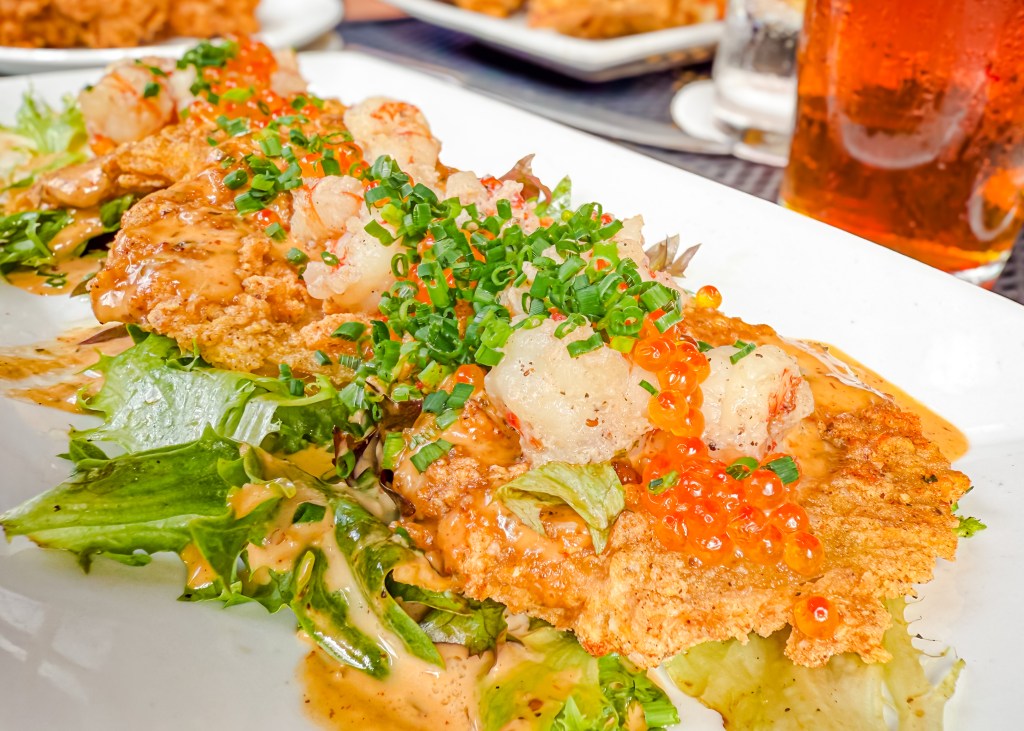
Today, soul food lives in many forms — vegan, fusion, traditional — but its soul remains intact.
A Story Still Being Served
Soul food doesn’t just feed the body. It tells a story — of struggle and strength, of silence and song.
From the horrors of the Middle Passage to the joy of Sunday dinners, from hushpuppies to hot sauce, every bite carries memory, land, and lineage.
It reminds us that food can be political. Food can be cultural memory. Food can be love.
To celebrate soul food is to celebrate creativity under constraint, resistance without rage, and dignity beyond definition.
Want to go deeper?
📚 Read
- High on the Hog by Jessica B. Harris
- Sweet Home Café Cookbook – recipes from the Smithsonian Museum of African American History
- Soul Food: The Surprising Story of an American Cuisine by Adrian Miller
- Seasoned to Taste and other community cookbooks used at the Laura Plantation, available at their gift shop or on site
🎬 Watch
- High on the Hog (Netflix) – a must-see documentary based on Jessica B. Harris’s book
- The Color Purple – for the role of food, family, and memory
- Soul Food (1997) – a family drama centered around Sunday meals
🍽 Eat in Houston
- Lucille’s – heritage cuisine reimagined with finesse
- The Breakfast Klub – brunch institution, expect a line
- Kulture – elevated Southern fare with an Afrocentric twist, set in a stylish art-forward space
- Gatlin’s Fins & Feathers – bold flavors, high execution
- The Greasy Spoon – modern soul food with a big heart
- Alfreda’s Soul Food – classic, authentic, no fuss
- Soul Food Vegan – Houston staple for plant-powered versions of beloved favorites
But most of all: take your time. Eat slow. Ask questions. Listen to the stories.
 Leonie Magazine
Laisser un commentaire